Phototherapy
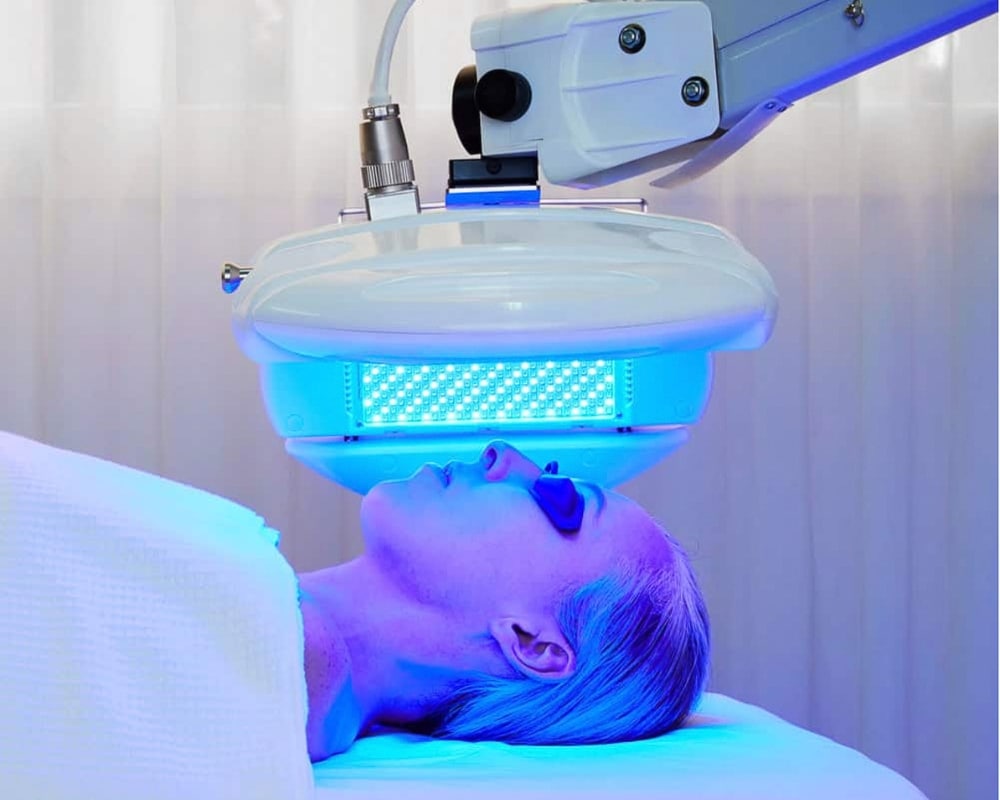
Phototherapy is a treatment that uses specific wavelengths of light to produce beneficial effects in the body. In cosmetic and aesthetic clinics, phototherapy most commonly refers to LED light therapy, while in medical settings it can also refer to treatments for skin diseases.
How it works
Different colors (wavelengths) of light penetrate the skin to different depths and affect skin cells in different ways.
Unlike lasers, LED phototherapy does not heat or damage the skin. Instead, it stimulates normal biological processes within cells, particularly in structures called mitochondria that help produce cellular energy.
This can promote healing, reduce inflammation, and stimulate collagen production.
Red Light
Red light penetrates into the deeper layers of the skin.
It may:
- Stimulate collagen production.
- Improve skin firmness.
- Reduce fine lines and wrinkles.
- Support wound healing.
- Improve overall skin texture.
Blue Light
Blue light mainly affects the skin’s surface.
It is commonly used to:
- Treat acne.
- Kill acne-causing bacteria.
- Reduce inflammation associated with breakouts.
Yellow or Amber Light
These wavelengths are marketed to:
- Reduce redness.
- Improve circulation.
- Calm sensitive skin.
Combination Light
Some devices combine red and blue light to treat acne while also encouraging skin repair.
What conditions can cosmetic phototherapy treat?
Phototherapy may help improve:
- Mild acne
- Fine lines
- Skin texture
- Mild skin redness
- Healing after cosmetic procedures
- Overall skin appearance
Medical uses of phototherapy
Outside cosmetic medicine, phototherapy is an established treatment for several conditions.
These include:
- Psoriasis
- Eczema (atopic dermatitis)
- Vitiligo
- Certain forms of itching
- Newborn jaundice (using blue light)
These treatments often use ultraviolet (UV) light or specialized blue-light systems rather than cosmetic LEDs.
What does treatment feel like?
Most people experience:
- Gentle warmth (if any)
- Bright colored light
- No pain
- No downtime
Sessions typically last 10–30 minutes, and multiple treatments are usually recommended.
Is it safe?
LED phototherapy is generally considered very safe.
Possible temporary side effects include:
- Mild redness
- Temporary dryness
- Eye discomfort if protective goggles are not worn
People taking medications that increase sensitivity to light or with certain photosensitive medical conditions should consult their healthcare provider before treatment.